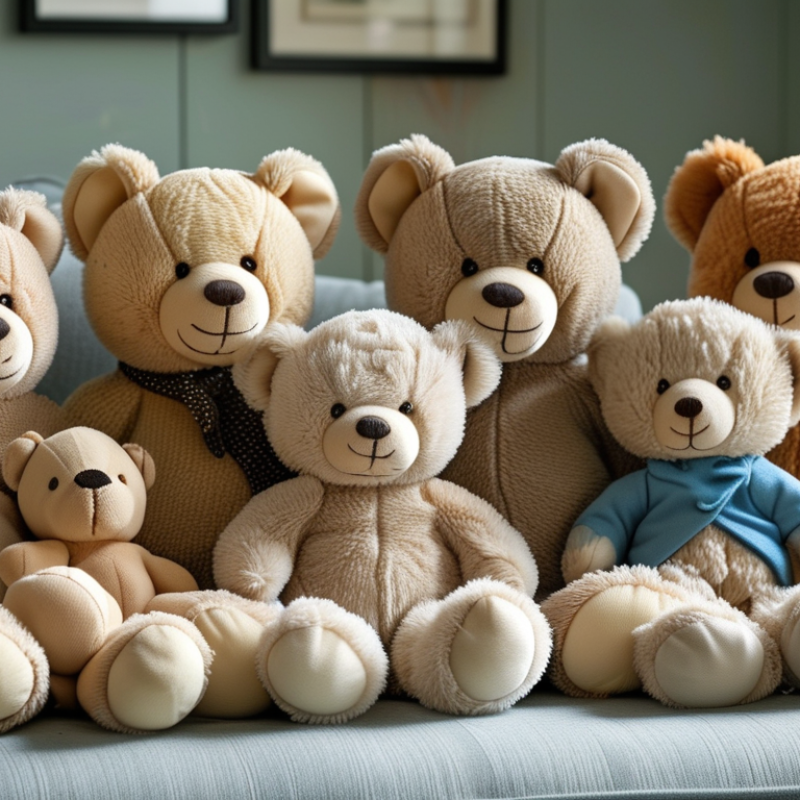
How to Choose Hypoallergenic Plush Toys for Sensitive Kids?

Time:2026-07-25 Author:Sophia
0%

Choosing the right plush toys for sensitive children requires special attention. Hypoallergenic plush toys are a crucial option for avoiding allergens. Dr. Emily Hart, a pediatric allergist, emphasizes, “Selecting hypoallergenic plush toys is essential for children with allergies.”

Many parents worry about potential reactions. These toys can help alleviate some of those fears. Yet, navigating this market can be challenging. Parents must consider materials carefully. Natural fibers like organic cotton are often safer than synthetic ones. Additionally, checking for certifications can ensure trustworthiness in these products.

It’s important to understand that not all hypoallergenic toys are the same. Some might still contain traces of allergens. Therefore, proper research is key. Look for brands with transparent manufacturing processes. The journey to choose hypoallergenic plush toys can be overwhelming but is worth the effort. Safe options are out there for sensitive kids.

How to Choose Hypoallergenic Plush Toys for Sensitive Kids?

Factors to Consider When Selecting Hypoallergenic Plush Toys

When selecting hypoallergenic plush toys for sensitive kids, several factors come into play. Material choice is crucial. Look for toys made from natural fibers such as cotton or bamboo. These materials are less likely to trigger allergies. Avoid synthetic fabrics like polyester, as they may contain irritants.

Pay attention to the stuffing. Opt for hypoallergenic stuffing options. This can help minimize allergic reactions. Be cautious of toys with beads or other fillers. They can sometimes cause skin irritation.

Tips: Always check for safety certifications. Look for toys labeled as free from harmful chemicals. Examine the seams and fastenings. Loose parts can be a choking hazard. Also, consider the washing instructions. Regular cleaning prevents dust accumulation and ensures a safe playtime environment. Each child is unique, so monitor their reactions closely. Reflect on what works and what doesn’t. Your child's health should come first.

Common Materials Used in Hypoallergenic Plush Toys and Their Benefits

When selecting hypoallergenic plush toys, it's essential to consider the materials used in their production. Common choices include cotton, bamboo, and quality synthetic fibers. These materials are less likely to trigger allergies or sensitivities in children. For instance, organic cotton is soft and breathable, making it a great option for delicate skin. Bamboo materials have natural antibacterial properties, adding an extra layer of comfort and safety.

Synthetic fibers, such as microfiber, are also popular due to their durability and ease of washing. However, not all synthetic materials are created equal. Parents should check for certifications that indicate low chemical levels. Some synthetic toys can harbor allergens if not properly manufactured. This aspect often poses challenges for parents seeking safe options for their children.

Overlooking the importance of safety labels can lead to anxiety for parents. Ensuring toys are free of harmful dyes and chemicals is critical. While many hypoallergenic toys are designed with care, some may still contain traces of allergens. Therefore, careful research is necessary before making a purchase. Ultimately, each child's sensitivity varies, making it crucial to understand individual needs thoroughly.

Understanding Certification Standards for Hypoallergenic Toys

When selecting hypoallergenic plush toys for sensitive children, it's crucial to understand certification standards. These certifications indicate that the toys meet specific safety and allergen-free requirements. Look for toys labeled as hypoallergenic, meaning they minimize the risk of allergic reactions. Key standards may include materials that are free of harmful chemicals, dyes, and synthetic fibers.

Another important aspect is the manufacturing process. Certified hypoallergenic toys often undergo rigorous testing for allergens. Toys made from organic materials are often more reliable. However, this doesn’t guarantee that all plush toys will suit every child. Each child's sensitivity levels can vary, creating a challenge for parents. It's essential to familiarize yourself with your child’s specific allergies to make informed choices.

Parents might find that some plush toys labeled as hypoallergenic still provoke reactions. This can be frustrating and requires further research. It's vital to consult with healthcare professionals who can provide insights into specific allergens. In addition, sometimes trial and error is unavoidable. Paying close attention to your child’s reactions can guide you toward the most suitable options over time.

Investigating the Impact of Allergens in Traditional Plush Toys

Allergens in traditional plush toys can pose significant risks to children with sensitivities. A study published in the Journal of Allergy and Clinical Immunology found that common allergens, such as dust mites and pet dander, can be found in up to 80% of plush toys. These allergens can trigger reactions like asthma, eczema, and nasal congestion. Thus, careful consideration is vital when selecting toys for sensitive children.

Hypoallergenic plush toys are designed to minimize exposure to harmful allergens. Materials like organic cotton and synthetic fibers reduce the likelihood of allergen accumulation. According to the American Academy of Allergy, Asthma, and Immunology, many children benefit from non-toxic, chemical-free toys. These alternatives can be washed more frequently without losing shape or softness.

However, it's essential to remember that not all hypoallergenic labels are equal. Some toys may still contain trace allergens. Parents should research and seek toys from reputable manufacturers who provide transparent information about their materials. The safety of children depends on informed choices, even in the realm of cuddly toys.

How to Choose Hypoallergenic Plush Toys for Sensitive Kids?

Feature Traditional Plush Toys Hypoallergenic Plush Toys
Materials Used Synthetic fibers, untreated cotton Organic cotton, bamboo fibers, non-toxic dyes
Dust Mite Resistance High, can harbor allergens Designed to be more resistant to dust mites
Chemical Treatments Often treated with harmful chemicals Free from harmful chemical treatments
Washability Machine washable but may retain allergens Easily washable, quick drying
Certifications May lack safety certifications Oeko-Tex, GOTS certified materials
Price Range $10 - $50 $15 - $70

Tips for Maintaining and Cleaning Hypoallergenic Plush Toys for Safety

When caring for hypoallergenic plush toys, cleanliness is crucial for sensitive kids. Regular washing is necessary to remove dust mites and allergens. A gentle detergent works best to avoid harsh chemicals. Machine washing on a delicate cycle is preferable. Always check the toy's label for washing instructions. Hand washing is a safe alternative for particularly delicate items.


Drying plush toys can be tricky. Air drying is generally recommended to maintain their shape. If you use a dryer, opt for a low heat setting. It’s easy to forget about cleanliness, but even small particles can affect allergy-prone kids. Storing toys in a clean, dry space adds another layer of protection from allergens.


Inspect the plush toys regularly for wear and tear. Ripped seams can trap allergens inside. Throwing out damaged toys may feel wasteful, but safety is paramount. When organizing, consider separating plush toys by usage frequency. Frequent favorites should be placed closer. Keeping a rotation helps limit exposure, too.

FAQS

: What allergens are commonly found in plush toys?

: Common allergens include dust mites and pet dander. These can trigger asthma and eczema.

How can hypoallergenic plush toys help?

They minimize exposure to allergens. Materials like organic cotton can reduce allergen accumulation.

Are all hypoallergenic toys safe?

Not all hypoallergenic labels guarantee safety. Some may still contain trace allergens.

How should hypoallergenic toys be cleaned?

Regular washing is necessary. A gentle detergent and delicate machine cycle are best.

Can plush toys be dried in a dryer?

It's better to air dry plush toys. If using a dryer, select a low heat setting.

What should I do if a plush toy is damaged?

Inspect toys regularly for wear. Damaged toys can trap allergens and should be replaced.

How can I store plush toys safely?

Store toys in a clean, dry space. Organize by usage frequency to limit exposure to allergens.

How frequently should plush toys be washed?

Regular washing is crucial. Even small particles can affect allergy-prone children.

What to consider when buying plush toys for sensitive children?

Research manufacturers and look for transparent information about materials used in toys.

Conclusion

When considering how to choose hypoallergenic plush toys for sensitive kids, it’s essential to evaluate several key factors. These include the materials used, as certain fabrics and fillings are designed to be less likely to trigger allergies. Common materials like organic cotton and specific synthetic fibers provide benefits such as breathability and ease of cleaning. Furthermore, understanding certification standards can ensure that the toy adheres to safety and hypoallergenic guidelines, providing parents with peace of mind.

Additionally, exploring the impact of allergens present in traditional plush toys can help identify potential risks. Regular maintenance and proper cleaning techniques are crucial to maintaining these toys' safety and hygiene, ensuring they remain a safe companion for children. By combining knowledge of materials, certifications, and maintenance practices, parents can confidently select the best hypoallergenic plush toys for their little ones.

Sophia

Sophia

Sophia is a dedicated marketing professional with an exceptional depth of knowledge about her company's products and services. With a keen understanding of market trends and customer needs, she crafts insightful blog posts that not only inform but also engage readers, enriching the company’s online......