When it comes to children's toys, plush toys hold a special place. They provide comfort but can also harbor dirt and bacteria. According to the National Sleep Foundation, about 75% of children sleep with one or more plush toys. This makes knowing how often should plush toys be washed crucial for parents. Dr. Susan Lee, a pediatric hygiene expert, emphasizes, “Regular washing can significantly reduce allergens and bacteria.”
Many parents remain uncertain about the best washing frequency. A survey by the American Academy of Pediatrics suggests plush toys should be washed every two weeks. However, factors like play frequency and child health can influence this timeline. Toys exposed to spills or illnesses should be washed immediately. Ignoring this could lead to potential health risks.
Despite these guidelines, not all plush toys can withstand frequent washing. Some may lose their softness or shape. It’s worth remembering that maintaining a balance between cleanliness and the plush toy's integrity is essential. With proper care, these cherished items can continue to provide joy while ensuring a hygienic play environment for children.
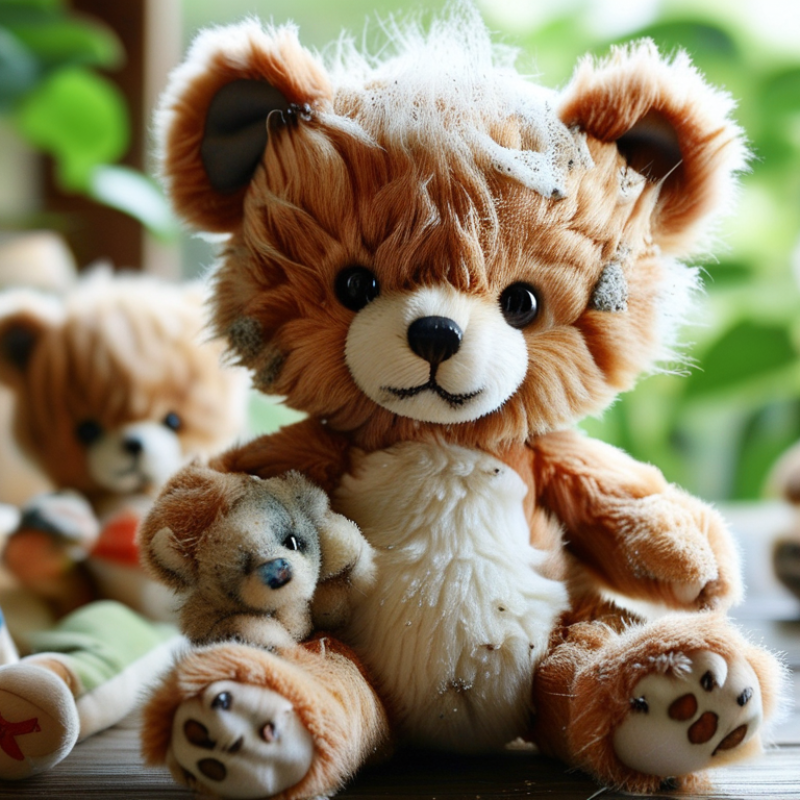
Understanding the Importance of Washing Plush Toys Regularly
Washing plush toys regularly is crucial for maintaining hygiene. Studies show that plush toys can harbor bacteria and allergens, posing health risks to children. The American Academy of Pediatrics recommends washing stuffed animals frequently, especially for young kids. Toys that are hugged and chewed can catch germs and dirt, making it essential to keep them clean.
A recent survey indicated that nearly 70% of parents are unaware of the necessity of washing plush toys. The industry standard suggests washing these toys every one to two weeks. Many parents struggle with this routine. Some find it daunting, while others simply forget. However, neglecting this task can lead to unsanitary conditions, causing skin irritations or respiratory issues in children.
Turning a blind eye to this problem isn't an option. Parents should reflect on their cleaning habits and prioritize their child's health. Consider using a gentle detergent and opting for machine washable toys. Remember that visible dirt isn't the only concern. Invisible allergens often lurk, waiting to affect your child's well-being. Regular washing transforms plush companions into safer, cleaner friends for your little ones.
Determining the Frequency: How Often Should You Wash Plush Toys?
The frequency of washing plush toys is crucial for child safety and hygiene. According to the National Safety Council, children can be exposed to bacteria and allergens through dirty toys. A study by the American Academy of Pediatrics suggests washing plush toys every one to two weeks. This routine helps eliminate dust mites and germs that accumulate over time.
Parents often overlook the cleanliness of their children's plush toys. A survey conducted by the Toy Industry Association revealed that nearly 40% of parents admit they wash plush toys only a few times a year. This lack of attention can lead to health issues. In households, plush toys can harbor icky bacteria, potentially leading to infections. However, frequent washing can wear out the fabric, affecting their softness and shape.
It’s essential to balance cleanliness with care. Plush toys can endure machine washing, but always follow care labels. Some toys may require gentle cycles or hand washing. Consider the environment where the toy resides. Frequent exposure to outdoor elements may necessitate more regular washes. In short, while hygiene is paramount, over-washing can diminish the toy's lifespan, prompting parents to reflect on their cleaning routines.
China Top 10 Tips for Washing Plush Toys
Choosing the Right Method for Washing Plush Toys
When it comes to washing plush toys, choosing the right method is crucial. Many plush toys can be machine washed, but not all. Check the care label first. Toys with electronic components or delicate fabrics often require special treatment.
Hand washing in lukewarm water is usually a safe method. Gently agitate the toy to remove dirt. Rinsing thoroughly is essential to avoid residue.
For more delicate plush toys, consider spot cleaning. Use a mild detergent and a soft cloth. This method requires patience but preserves the toy's texture. Drying is also an important aspect.
Air drying is best. Excessive heat from a dryer can ruin the fabric and shape. For larger toys, fluffy surfaces may take longer to dry.
Acknowledge that forgetting to wash plush toys regularly can lead to allergies or unpleasant odors.
Cleaning plush toys should not be a rushed task. Take time to ensure the toys are properly cleaned and dried. It's easy to overlook smaller toys or stuffed animals tucked away. They can harbor dust and germs, so regular attention is necessary. Reflect on your cleaning habits.
Are you giving your child’s plush toys the care they deserve?
Tips for Safely Drying Plush Toys After Washing
Drying plush toys after washing is crucial for maintaining their shape and quality. Start by gently pressing the toy with a towel to absorb excess water. This step helps prevent sogginess. Avoid wringing the toys, as this can distort their structure. Instead, consider laying them flat on a drying rack.
If you choose to use a dryer, select a low heat setting. High temperatures can damage the fabric and stuffing. Adding dryer balls can help fluff the toys while keeping them from clumping together. Monitor the drying process closely.
Some toys may take longer to dry, especially those with heavy stuffing. Be patient and check regularly to prevent mildew. Toys that remain damp pose a risk for bacteria and allergens. When they're fully dry, give them a thorough check for any signs of wear or tear. This step ensures that your child's beloved toys remain safe and cuddly.
Signs That Your Plush Toy Needs Immediate Cleaning
Plush toys can be a source of comfort for children. However, they also collect dirt and germs over time. It is important to recognize signs that your child's beloved toy needs washing. If a plush toy starts to smell musty or look visibly dirty, it's time for a wash.
Pay attention to your child’s allergies or skin irritations. If they develop unexplained rashes, the plush toy might be harboring allergens. Sticky or stained surfaces are also clear indicators that cleaning is overdue. If your child is sneezing or coughing more than usual, their plush companion may need immediate attention.
Children often form a bond with their toys. This makes it hard to keep them clean. Regular cleaning can preserve their favorite toys but overlooking these signs can lead to hygiene issues. Check for any tears or damage. If a toy is in bad shape, it might need repair before washing. Always remember to wash with care.
FAQS
: Regular washing maintains hygiene and reduces bacteria and allergens, which can harm children's health.
It's recommended to wash them every one to two weeks for optimal cleanliness.
Many parents find it daunting or simply forget to wash them regularly, risking unsanitary conditions.
Check the care label. Machine wash most toys, but hand wash delicate ones in lukewarm water.
Avoid high dryer heat as it can damage fabric. Air drying is usually safer for maintaining shape.
Press with a towel to absorb water, and lay toys flat on a rack to dry without distortion.
Not all toys are machine washable. Delicate toys often require special hand washing or spot cleaning.
Neglecting washing can lead to allergies, unpleasant odors, or even health issues for your child.
After drying, inspect for wear or tear to ensure they remain safe and cuddly for your child.
Reflect on your cleaning habits; set reminders to prioritize your child's health and cleanliness.
Conclusion
Washing plush toys regularly is essential for maintaining hygiene and ensuring the well-being of children. The article emphasizes the importance of a clean environment, noting that plush toys can harbor dust, allergens, and bacteria. It explores how often plush toys should be washed, recommending a frequency based on usage and specific circumstances; generally, washing them every couple of weeks or after illness is advisable.
Choosing the right washing method is crucial for preserving the integrity of the toys, and the article provides guidance on both machine and hand washing techniques. Proper drying methods are also discussed to prevent damage, ensuring that toys remain soft and safe after cleaning. Additionally, signs that indicate a plush toy needs immediate cleaning are outlined, helping parents recognize when action is necessary for their child's favorite toy. Ultimately, understanding how often plush toys should be washed is key to ensuring a healthy play environment.
 Tazz Toy
