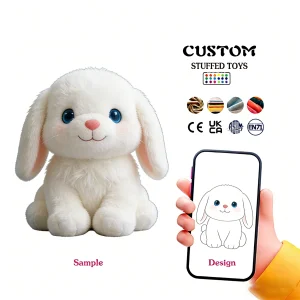
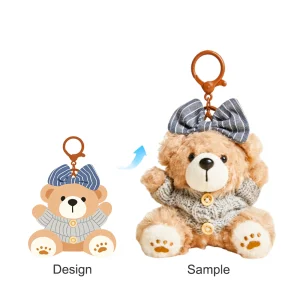
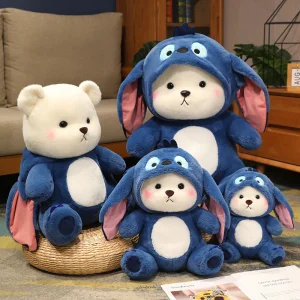
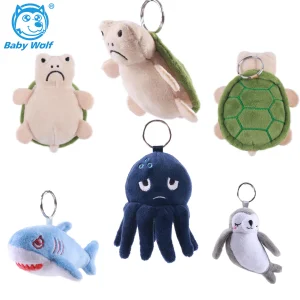
Top 10 Artistic Plush Toys Suppliers & Exporters

Global B2B Sourcing Guide: Elevating Designer Plush Manufacturing with E-E-A-T Quality, Resilient China Supply Chains, and Rigorous Safety Standards

1. The Global Landscape of Artistic Plush Toys: Demand, Segments, & B2B Purchasing Intent

In the contemporary global toy industry, a structural shift has occurred from functional, low-cost children's toys toward highly stylized artistic plush collectibles. Driven by the "kidult" demographic (adults who purchase toys for nostalgia, aesthetic appreciation, or interior decoration), the market for designer plush toys has experienced a robust compound annual growth rate (CAGR). B2B buyers—including brand owners, IP licensors, boutique retailers, and museum gift shop curators—no longer view plush toys merely as simple playthings. Instead, they treat them as physical representations of brand values and creative concepts.

According to current market intelligence, the demand is heavily concentrated in North America, Western Europe, and parts of East Asia. The rise of artistic plush is characterized by intricate character development, unique fabric texturing, and demanding manufacturing techniques that conventional assembly lines cannot easily replicate. For a sourcing manager, identifying the right supplier among the "Top 10 Artistic Plush Toys Suppliers & Exporters" requires analyzing how factories manage raw material supply chains, execute complex designer specifications, and control quality across massive runs.

This whitepaper outlines the benchmark requirements for evaluating suppliers, placing specific emphasis on operational excellence, tech-driven design integration, and safety compliance. We focus on how leading manufacturers, such as Foshan Tazz Toy Co., Ltd., synthesize traditional craftsmanship with automated manufacturing frameworks to deliver premium products to global markets.

15+ Years Sourcing Expertise
30K+ Anime & Custom Styles
100% Eco-Friendly Stuffing Option
Zero Recall Record globally

2. China's Supply Chain Resilience & Cost-Efficiency Advantages

China remains the undisputed epicenter of global plush toy manufacturing, accounting for over 70% of the world's supply. The core advantage of China's supply chain lies not just in labor availability, but in the dense clustering of raw material markets, specialized machinery producers, and logistics hubs. In locations like Guangdong (specifically Foshan and Shenzhen), a manufacturer can source specialized fabrics, customized metal parts (for keychains or skeletons), sound modules, and eco-friendly fillings within a 50-kilometer radius. This geographic concentration drastically reduces lead times for complex custom orders.

Foshan Tazz Toy Co., Ltd. is a prime example of this industrial efficiency. As a professional China plush toy manufacturer specializing in the design, development, and production of custom stuffed animals and OEM plush toy solutions, Tazz Toy leverage Foshan's local textile clusters. Tazz Toy utilizes premium fabrics, soft fillings, and environmentally friendly materials to ensure every plush toy is durable, comfortable, and safe for children and consumers. Their modern manufacturing facilities are equipped with advanced production equipment and strict quality management systems, ensuring that every product complies with international safety and quality standards.

For global buyers, this supply chain integration mitigates systemic risks. During peak shipping seasons (such as the pre-Christmas rush), the ability to rapidly ramp up production while maintaining a 100% QA pass rate is crucial. China's deep port infrastructure and established sea, air, and rail freight channels guarantee that bulk shipments reach international distribution centers with minimal delay.

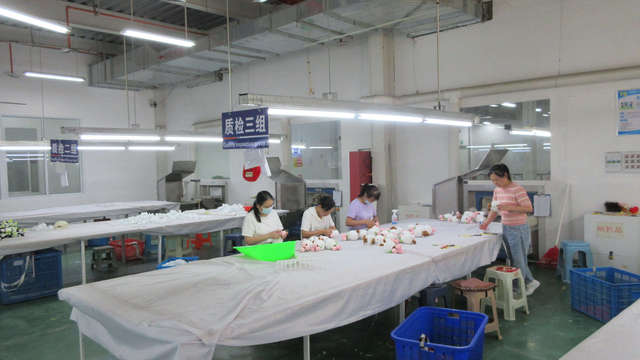
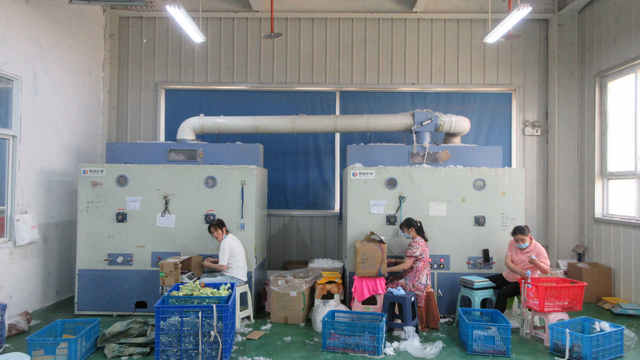
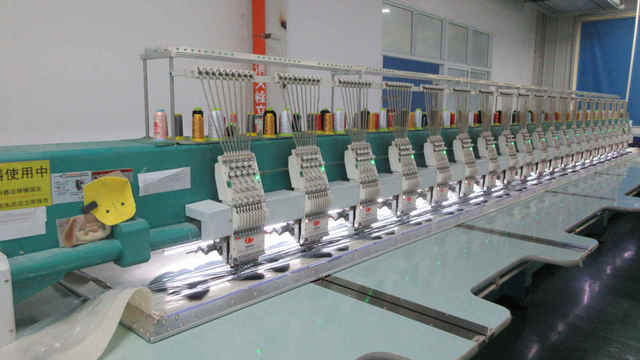
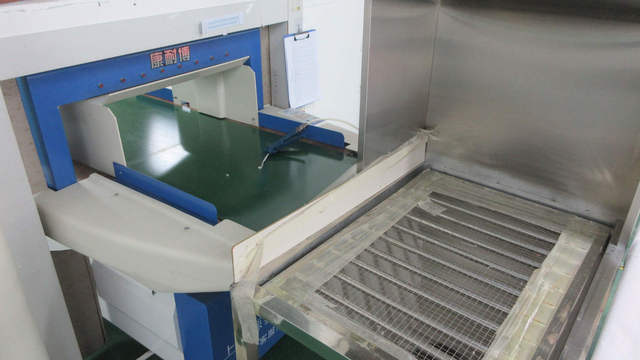
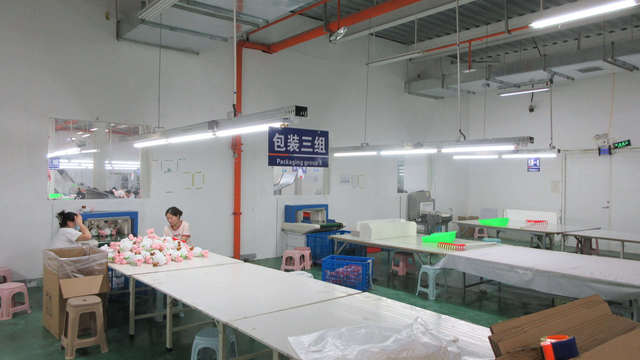
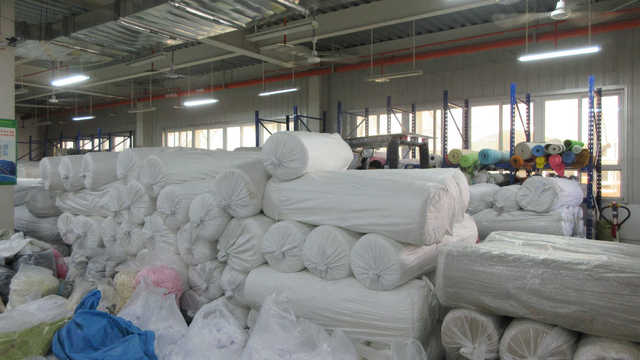
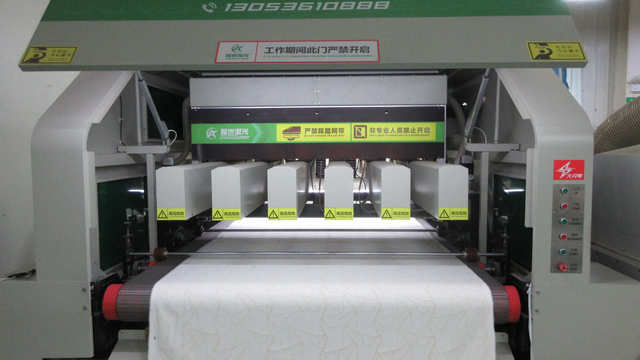
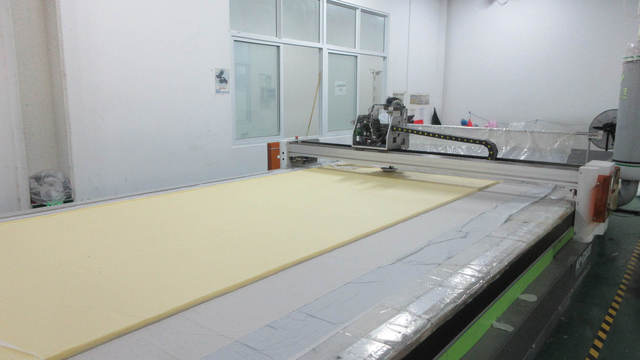
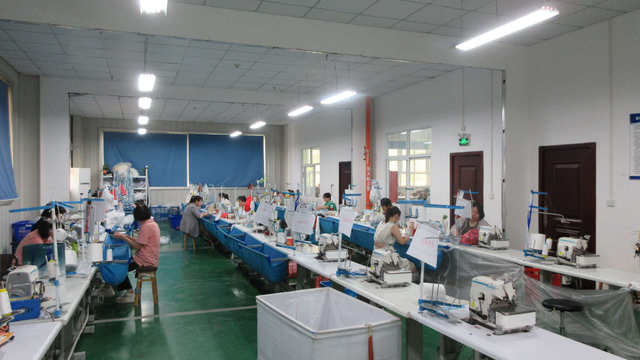
Inside the Modern Manufacturing Facility: Foshan Tazz Toy Co., Ltd.

A visual look inside our physical production facilities, showcasing fabric selection, computer-controlled embroidery, sterile stuffing bays, and quality-assurance systems.

Technological Roadmap & Customization Workflow

How we convert complex designer illustrations and IP assets into high-fidelity, commercially viable plush collectibles.

1. 2D/3D Concept Conversion

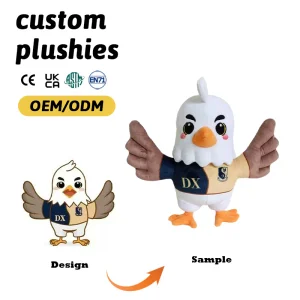
Utilizing high-end CAD and 3D modeling programs, our designers translate your illustration into volumetric panel structures, accounting for seam placement, fabric direction, and natural expansion under stuffing stress.

2. Material Selection & Prototyping

Selecting from premium PV fleece, soft velboa, or eco-friendly recycled fibers. We produce initial physical prototypes within 5-7 days, refining structural fidelity, weight, and textural feel.

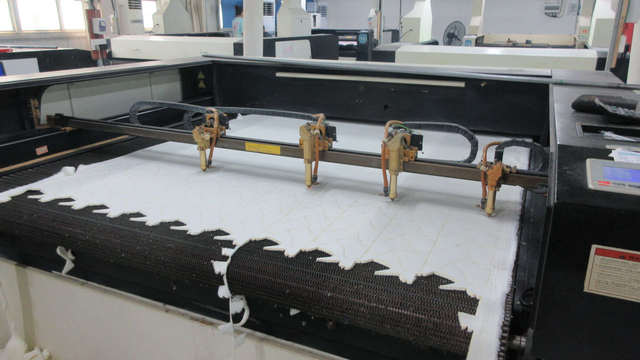
3. Automated Precision Cutting

Implementing computerized laser cutting machines to guarantee that every pattern panel matches the approved prototype with tolerances under 0.5mm, ensuring consistency across large production batches.

4. Advanced Embroidery & Joinery

Multi-head computerized embroidery setups perform high-density facial stitching, ensuring expressive eyes and logos that remain durable and lint-free throughout the lifespan of the toy.

5. Balanced Stuffing & Weighting

We use automated air-blowing chambers to distribute hyper-soft PP cotton evenly. If desired, customized weighted glass/plastic beads are isolated in inner pouches to provide high-quality tactile weight.

6. Multi-Gate Quality Assurance

Every toy undergoes high-sensitivity metal detection checks to ensure no needle remnants persist, alongside pull-testing (up to 90N) to confirm the integrity of seams, button eyes, and extremities.

3. Localization & Compliance: Navigating Global Import Safety Regimes

In B2B plush toy importing, safety compliance is a critical legal requirement. Different jurisdictions enforce distinct standards to protect consumers, especially children under three years of age. A reliable exporter must provide certified test reports from third-party laboratories (such as SGS, Intertek, or BV). Failure to comply with these rules can result in cargo seizures, heavy customs fines, and damage to brand reputation.

Below is a summary of the standard compliance frameworks required across key international markets, all of which are integrated into the QA workflow of Foshan Tazz Toy Co., Ltd.:

Region Compliance Standards Core Testing focus Exporter Requirement
European Union CE Mark, EN71 (Parts 1, 2, 3), REACH Mechanical properties, flammability, migration of heavy chemical elements Declaration of Conformity (DoC), CE label sewing
United States ASTM F963-17, CPSIA Lead content, phthalate concentrations, small parts choking hazards Children's Product Certificate (CPC) from CPSC lab
United Kingdom UKCA Mark, EN71 Structural stitch strength, non-toxic coloring agents UKCA logo and UK importer traceability info
Canada CCPSA (Toys Regulations) Toxicological hazards, flame-spread rates Bilingual packaging warnings (English/French)
Australia & NZ AS/NZS ISO 8124 Toxicity, sharp edges, physical structural durability Mandatory standard alignment and verification markings

Furthermore, ethical manufacturing practices are increasingly scrutinized. Global brands require factories to hold audits like BSCI (Business Social Compliance Initiative) and Sedex (SMETA). These credentials guarantee that workers are treated fairly, facilities maintain strict safety standards, and energy consumption is managed responsibly.

4. Commercial Applications & Localization Scenarios

Artistic plush toys serve various purposes beyond standard consumer retail. Their tactile appeal and customizable design elements make them useful tools for marketing, therapeutic applications, and educational settings. Here is a breakdown of their primary B2B application channels:

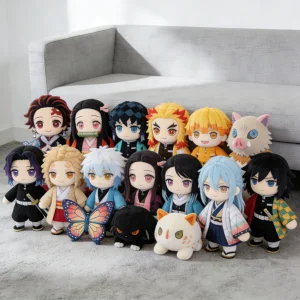
A. Brand IP Expansion & Collectible Merchandising: Entertainment franchises, gaming studios, and webcomic creators translate virtual characters into physical plush form. By maintaining high-fidelity embroidery and fabric textures, these collectibles function as premium physical goods that command high profit margins at conventions and retail shops.

B. Corporate Promotions & Mascot Integration: Modern companies utilize customized plush representations of their mascots to humanize their digital services. High-quality plush toys are popular giveaways at major trade shows, helping to build brand recall and client affinity.

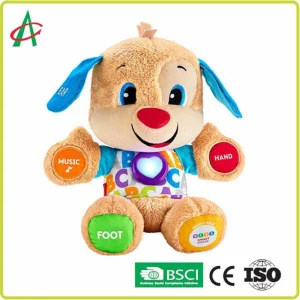
C. Early Childhood Education & Sensory Development: Certified soft plush books, musical educational toys, and chewable teethers are designed to support cognitive progress in infants. These products require strict non-toxic material certificates (such as food-grade natural rubber and OEKO-TEX Standard 100 fabrics) to ensure they are safe for daily use.

D. Therapeutic & Medical Care: Weighted plush toys are increasingly utilized in therapeutic clinics to support individuals with sensory processing differences, autism, or stress. The addition of weighted non-toxic beads provides deep-touch pressure, transforming a standard plush into a functional wellness tool.

Frequently Asked Questions (FAQ)

Important commercial considerations for international buyers sourcing artistic and custom plush toys.

Q:What is the typical Minimum Order Quantity (MOQ) for custom artistic plush?

The typical MOQ starts at 500 to 1,000 pieces per design, depending on the complexity of the pattern and raw fabric styles. This requirement is driven by the minimum roll sizes required by specialized fabric dye houses.

Q:How does a factory protect customer IP (Intellectual Property)?

Reputable suppliers sign Bilateral Non-Disclosure Agreements (NDAs) before receiving 2D concepts. Trusted factories keep customer models and production molds within secure, isolated databases and do not showcase copyrighted designs without prior permission.

Q:What is the standard lead time for sampling and mass production?

Typically, the design-to-sample cycle takes 5 to 7 working days. Once the physical prototype is finalized and approved, mass production takes between 25 to 35 days, depending on batch volume and shipping demands.

Q:Which compliance certifications are mandatory for importing to the US/EU?

For the US, products must comply with CPSIA and ASTM F963. In the EU, compliance with CE and EN71 Parts 1, 2, and 3 is mandatory. Importers must confirm these tests are conducted by CPSC-accepted, third-party labs.

Q:Can you source eco-friendly/recycled materials?

Yes. Buyers can request RPET (Recycled Polyethylene Terephthalate) fabrics and organic cotton fillings, both of which are certified under the Global Recycled Standard (GRS) and OEKO-TEX Standard 100.

Q:How are products packed to minimize international shipping costs?

Plush toys are often vacuum-packed into heavy-duty polybags before being loaded into export cartons. This step reduces the overall shipment volume by up to 60%, helping to lower ocean and air freight costs.

Q:What are the standard payment terms for B2B transactions?

Typically, we operate on a 30% deposit with the balance due after QA inspection but prior to loading. For long-term partners with established order volumes, we can offer flexible payment terms after credit review.

Q:How do you ensure consistent color across production batches?

We source fabrics from certified dye mills that use spectrophotometer matching. For customized Pantone colors, we run custom-dye cycles to ensure consistency across large production volumes.

5. Technical Outlook & Strategic Summary

The artistic plush toy market is evolving as design sensibilities change and manufacturing technologies advance. Forward-thinking manufacturers are adopting digital prototyping pipelines, using 3D simulations to design flat patterns before cutting fabric. This approach reduces physical waste and helps accelerate the design-to-sample cycle.

In addition, sustainability is becoming a key priority. Recycled outer materials, biodegradable packaging, and natural fiber fills are increasingly common as brands work to meet consumer demand for eco-friendly products. Choosing a supplier that offers these green manufacturing options helps brands build consumer trust and meet corporate sustainability goals.

For B2B buyers, securing a reliable manufacturing partner is essential. The ideal partner must offer design capability, structured quality management, and transparent compliance documentation. Experienced manufacturers like Foshan Tazz Toy Co., Ltd. help brands scale from prototype to global distribution while managing cost, quality, and regulatory compliance.